
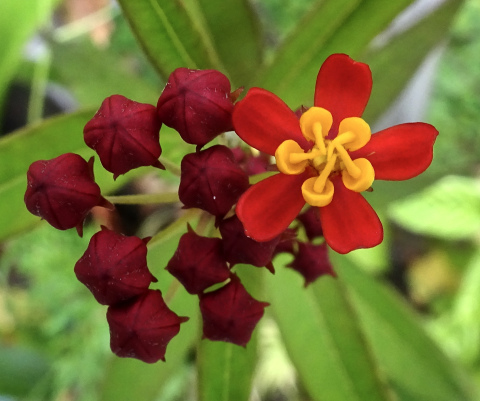
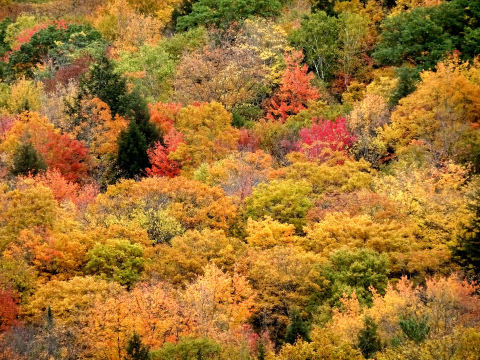
Autumn Gold
Common snipe in Belarus

This April 2018 video is called Common Snipe. Singing male. Gallinago gallinago.
News from The Treetalker
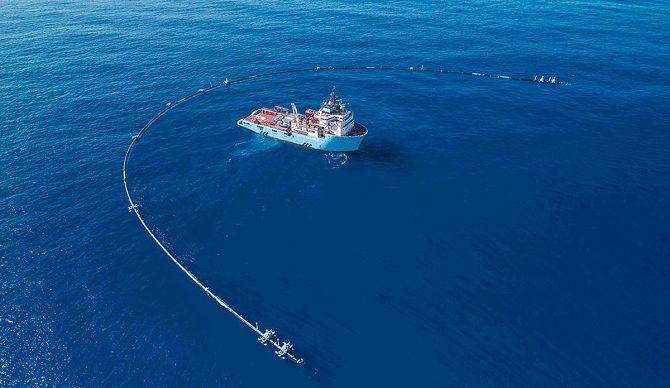

The Ocean Cleanup Has Reached the Great Pacific Garbage Patch
The Ocean Cleanup, an idea brought to life by founder and CEO Boyan Slat, has been in the news for a month or so. The 2,000 foot-long U-shaped floating pipe, launched a month ago from San Francisco, reached its goal on Thursday—the “Great Pacific Garbage Patch,” an area in the Pacific Ocean that is more than twice the size of Texas. The goal of the mission is to trap floating plastic, return the debris to shore, recycle the plastic and create new products from it.
There will certainly be some trial and error, but if successful, the project could expand to the other 4 garbage patches. They are hopeful that they can clean up 90% of the plastic garbage in the world’s oceans by 2040.
First, a link to the CNN article, with video.
Here is a link to the…
View original post 990 more words
Pre-Cambrian sponges, world’s oldest animals discovered
This July 2013 video says about itself:
A number of sponge-like fossils occur in the fossil record, many of which were originally described as sponges. A few of these are presented here. Charles D. Walcott was one of the first paleontologists to get involved with many of these, some of which are found in very ancient strata of the Precambrian.
Walcott’s Atikokania was one of these, it’s now considered to be a pseudofossil (false fossil) much like the previously described Eozoon canadense (the so called “Dawn Animal of Canada”).
Sponges are an ancient group of animals; however, their presence before the Cambrian Period is questionable.
That was then. However, now …
From the University of California – Riverside in the USA:
Sponges on ancient ocean floors 100 million years before Cambrian period
Molecular fossil evidence
October 15, 2018
Researchers at the University of California, Riverside, have found…
View original post 444 more words
News from The Treetalker
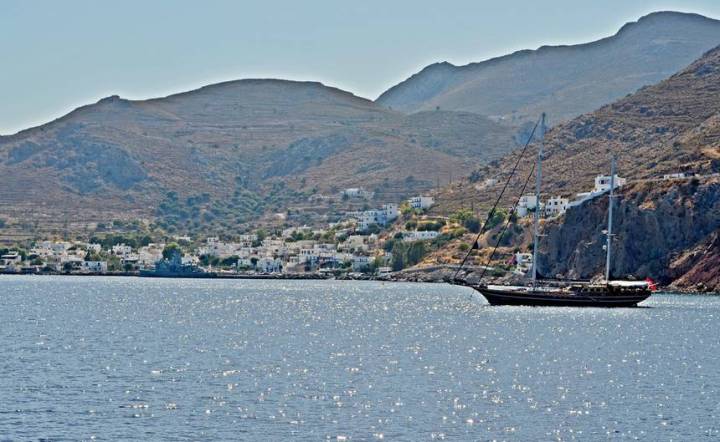
Greek island Tilos on its way to becoming fully powered by renewable energy, Oct 10, 2018, Megan Treaty, for TreeHugger
This small Greek island in the Aegean Sea, home to only about 500 people year-round, but whose population doubles during tourist season, is about to show the islands around the world how to become energy independent using only renewable sources, if only on a small scale, using wind turbines, photovoltaic and a battery storage system. They are hoping to initially cover 70% of their needs, ramping it up to 100% soon.
They are currently dependent on fossil fuels that are delivered by an undersea cable, which is unreliable and is subject to tectonic activity. For the full article, click here.
 How will 9 billion or 10 billion people eat without destroying the environment? By Joel Achenbach, for
The Washington Post, October 10, 2018
A sobering report published…
View original post 616 more words
US Senator Feinstein To Forest Service: Don’t Sell Wild Horses For Slaughter


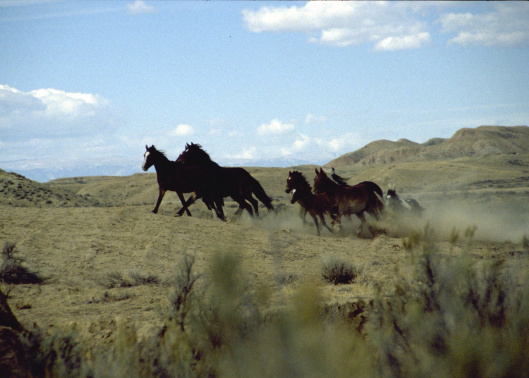
“Senator Feinstein to Forest Service: Don’t Sell Horses for Slaughter
Oct 09 2018
Washington—Senator Dianne Feinstein (D-Calif.) today called on the Forest Service to halt the sale of wild horses in California until concerns over potential horse slaughter are addressed.
“I write to request that you provide details as to the wild horse roundup that is set to begin tomorrow on the Modoc National Forest,” Senator Feinstein wrote. “According to the Forest Service webpage for the Modoc National Forest, the removal of ‘approximately 1,000’ wild horses from Devil’s Garden Plateau Wild Horse Territory in Northern California is set to begin as early as tomorrow, October 10th. According to the Forest Service, this is the first roundup of wild horses of this type in 13 years.”
Full text of the letter follows:
October 9, 2018
Vicki Christiansen
Acting Chief, U.S. Forest Service
United States Department of Agriculture
View original post 344 more words
Jupiter and Titan findings underpin troubling news about Earth methane emissions

New modelling suggests estimates for methane’s role in global warming are on the low side. Richard A Lovett reports.

Donald Trump during a rally earlier this year, spruiking his intention to repeal Obama-era laws aimed at reducing methane emissions from fossil fuel extraction.
MANDEL NGAN / AFP / GETTY IMAGES
Scientists seeking to refine our understanding of global climate change have found that methane is a significantly stronger greenhouse gas than previously suspected. They have also discovered that it has particularly strong climate-warming effects on certain parts of the globe, including Australia’s deserts.
The finding evolved, in part, from data collected by astronomers studying Jupiter and Saturn’s moon Titan. And it comes, ironically, just days after US President Donald Trump’s latest move to reduce regulations on methane emissions from U.S. oil and gas fields.
Like carbon dioxide, methane has long been known to warm the atmosphere by absorbing infrared…
View original post 753 more words
Raptors in Autumn

 Barred Owl, Texas
Every fall thousands and thousands of raptors in North America migrate south for the winter as their food supplies begin to wane. Here are some basic facts about raptors and where to find them as we enter into the northern hemisphere’s autumn.
Also known as birds of prey, raptors include many different species. Some more commonly known raptors are: eagles, ospreys, kites, hawks, vultures, falcons, and owls.
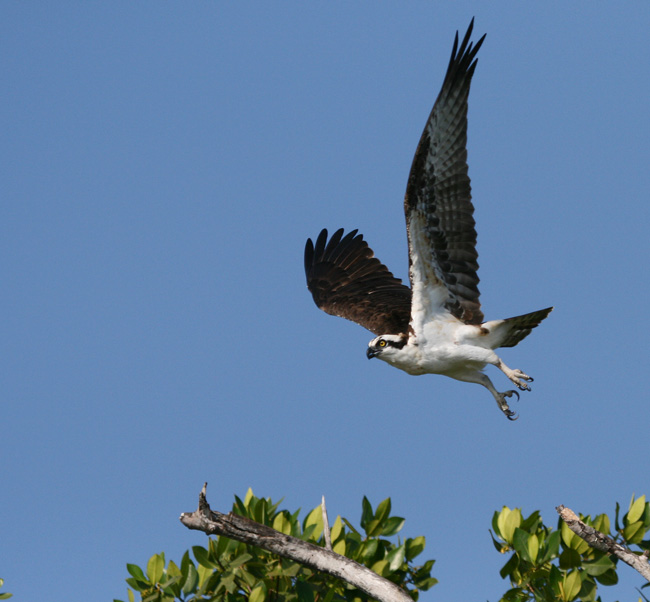 Osprey in Mangroves
Not all raptors migrate. It depends on how cold the winters get, if there is enough available prey. We are fortunate in Northern California to see many raptor species in all seasons.
Other parts of the country, however, have consistently cold winter weather and, consequently, raptor migration every autumn.
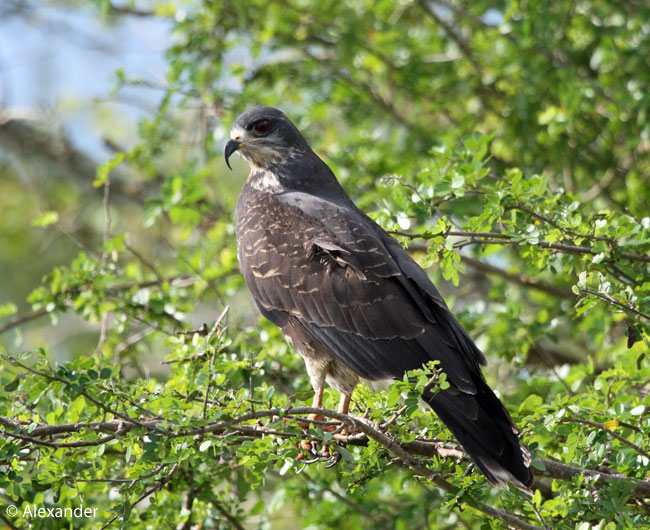 Snail Kite
Although raptor migration lasts roughly between August and November, late September is the prime time for watching these grand birds.
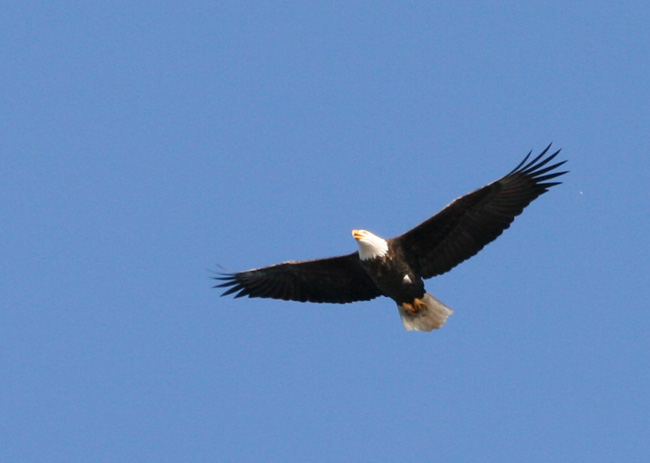 Bald Eagle, California. This raptor almost…
View original post 397 more words
Divine Elegance


Namaste to all our readers. These beautiful, and colourful creatures grace the corners of the Stratford Butterfly Farm, in Warwickshire, England. Life, as we well know, expresses divine elegance through infinite diversity in infinite combinations. The fish know only water, while the snake belongs to earth. The frog can find a home on earth, and in the water too. Butterflys seek sanctuary both on earth and in the air.
We people walk, and cook. We swim, and fly. Above all else, we know. Five creative elements are fused in us in living sync.
While the immature prince of Denmark, seen contemplating his existence in a stone image, was created in the imagination of a human, who can even begin to conceive of the scope of the imagination of the creator of the human?
And, though we share some small similarity with the shape of the contemplative frog, and some folk choose…
View original post 67 more words
 Wild Voices