Category: Uncategorized


Black Necked Stilts in The Salton Sea~


Black Necked Stilts (BNS) are found from California to as far east as Florida, and as far south as Central America and the Galapagos.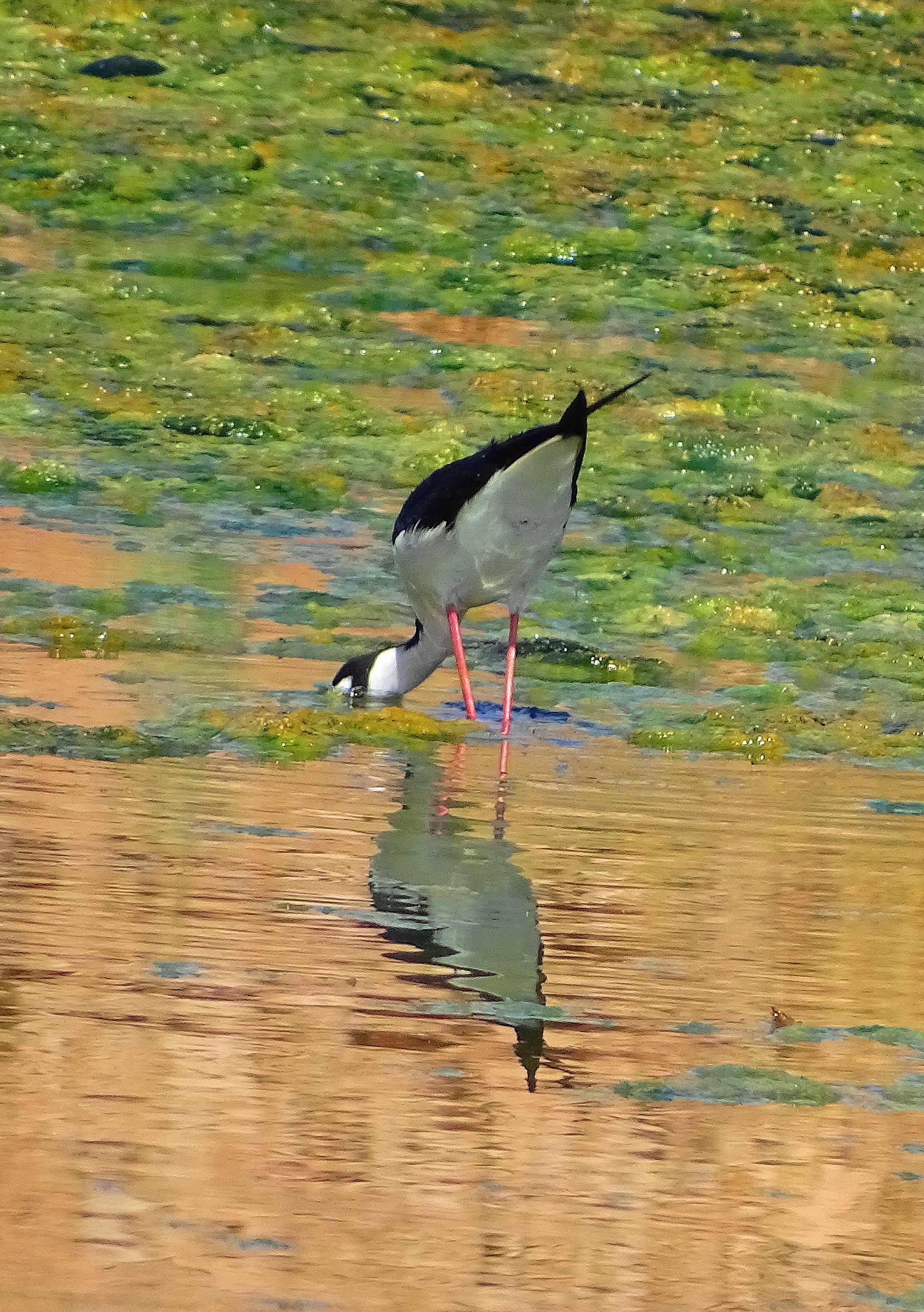
They are waders and have the second longest leg to body proportions of any bird in the world excepting flamingos.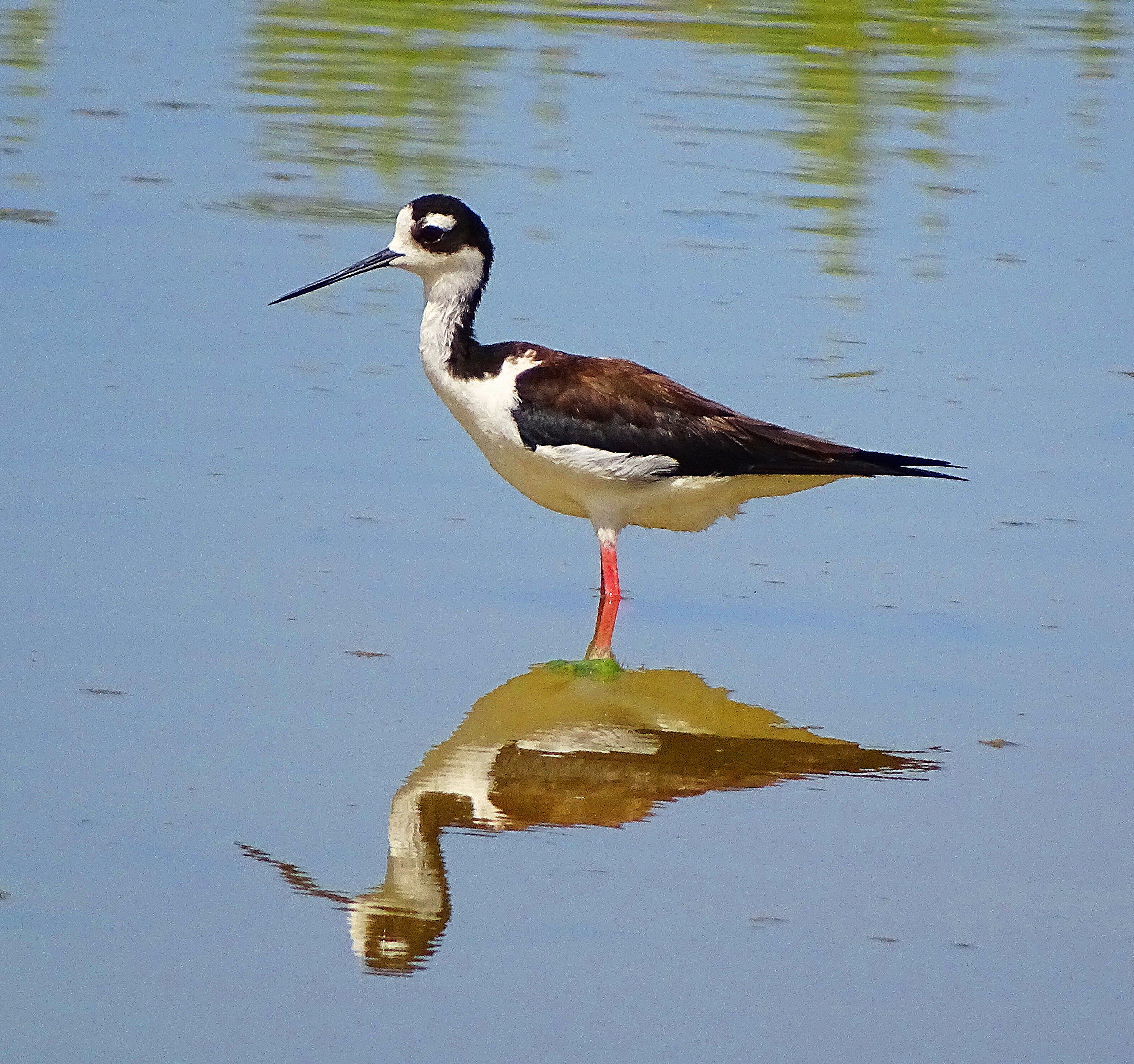
These birds were photographed in The Salton Sea in Southern California.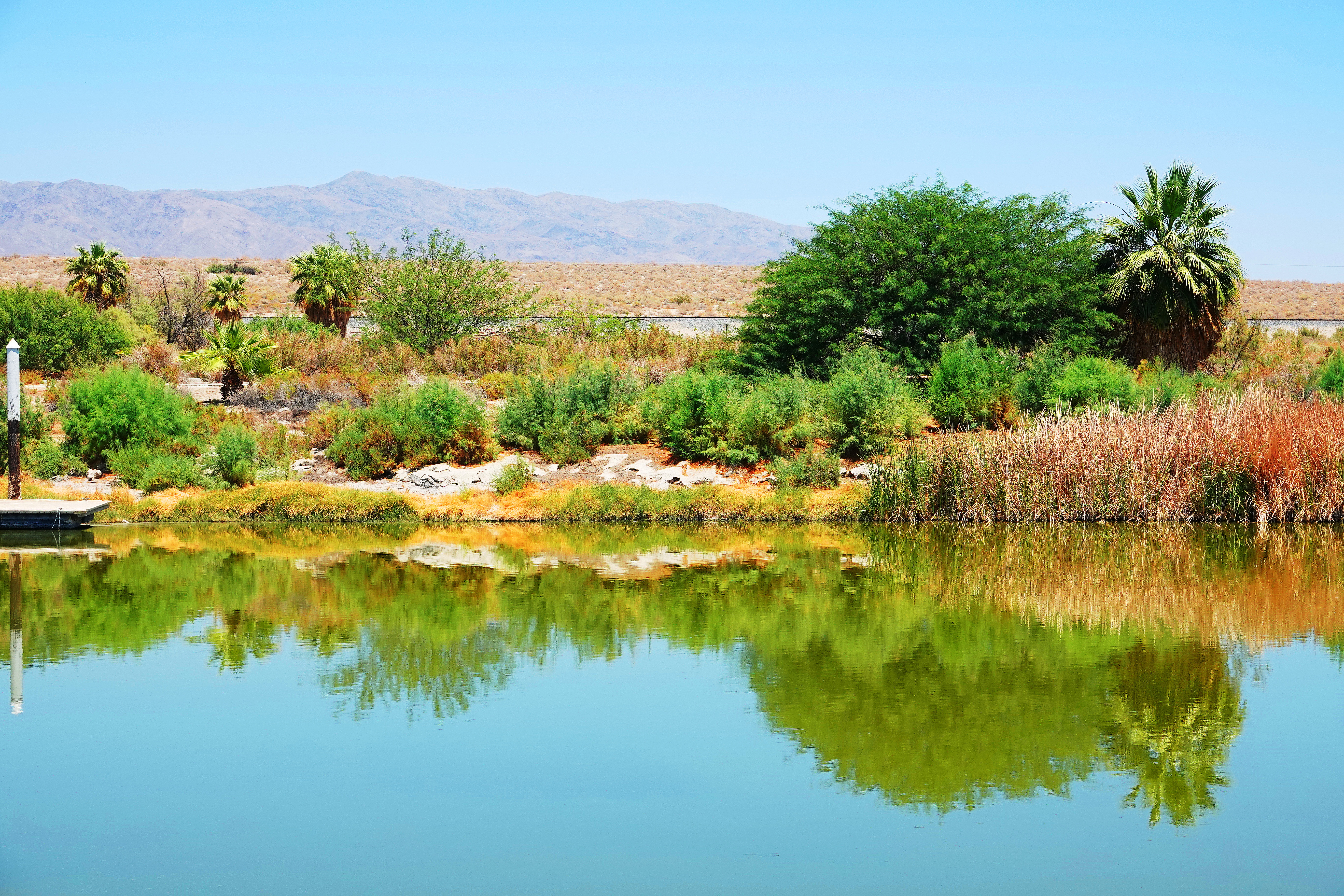
The Salton Sea is the largest lake in California. It rests directly above The San Andreas Fault, and lies 71.9 meters below sea level.
The Salton Sea is under serious threat, is shrinking, and is highly polluted.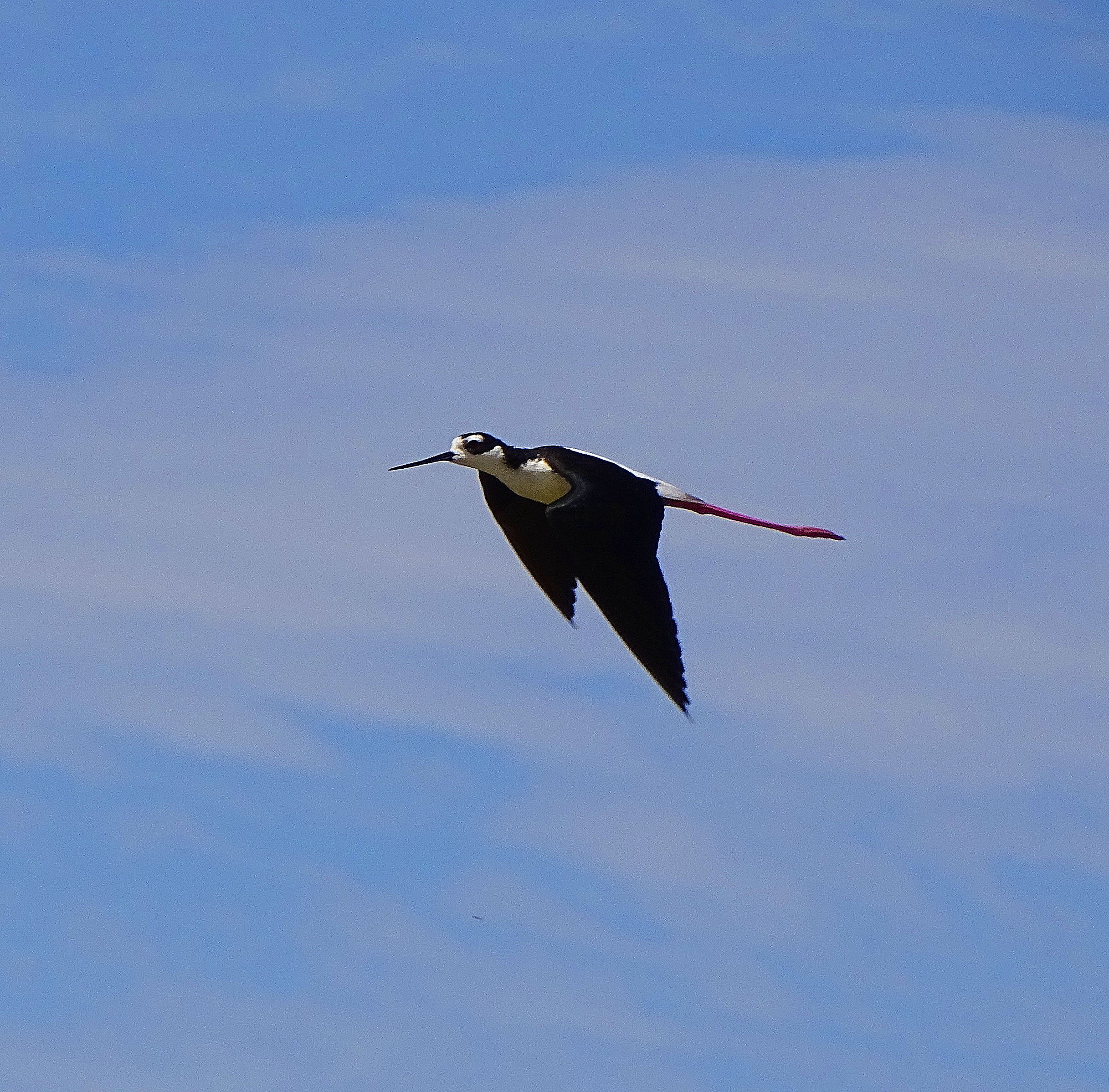
The sea is considered the second most diverse and significant habitat for migrating birds in the US. Over 400 species have been identified here, and it is a critical migratory winter resting stop on The Pacific Flyway.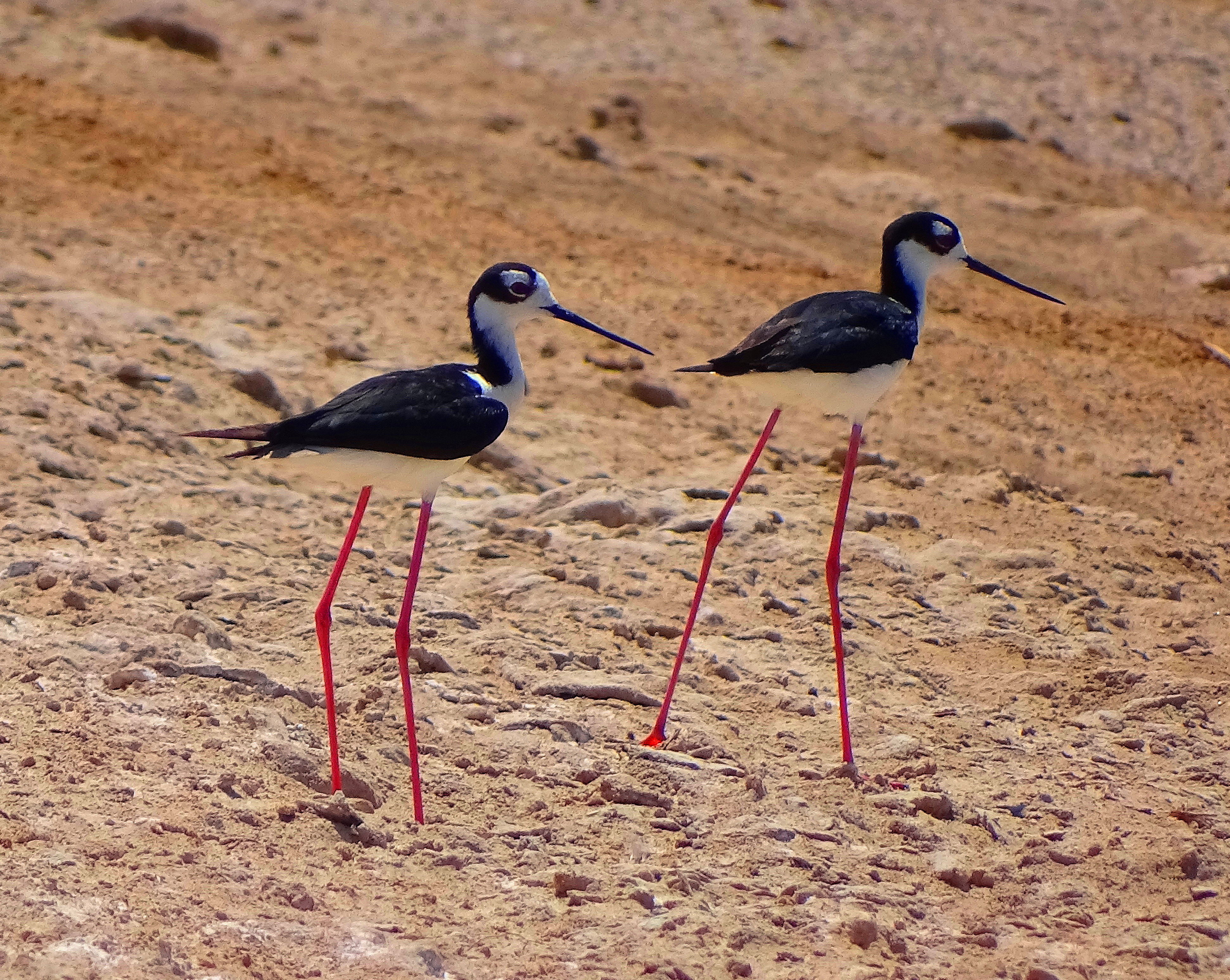
BNS populations are in decline due to habitat destruction and wetland pollution.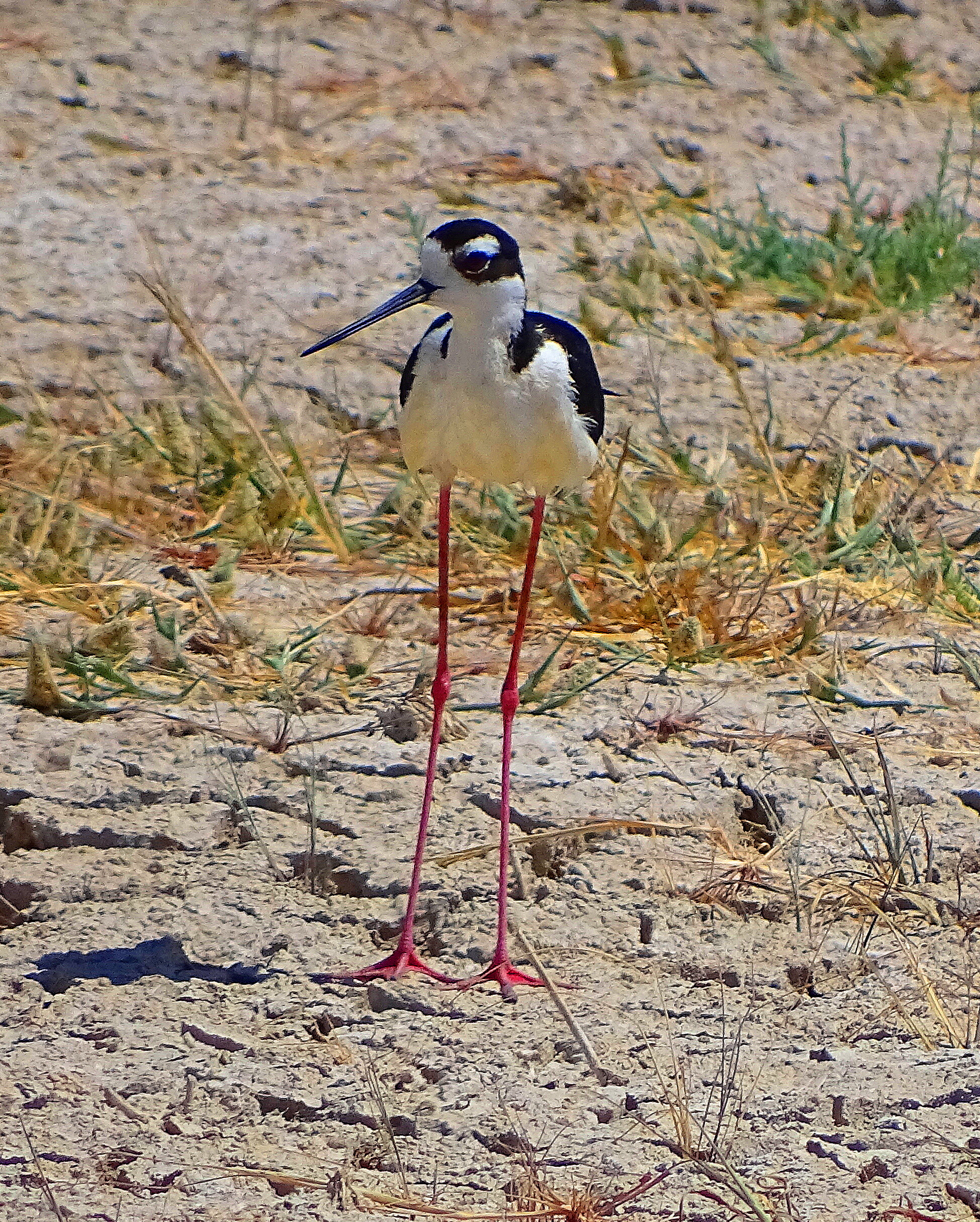
If the sea were to dry up, the millions…
View original post 83 more words
Young roe deer and their mother

This 30 May 2018 video shows two young roe deer and their mother near Winterswijk in Gelderland province in the Netherlands.
Josien Krosenbrink made the video.
What The first Flower Looked Like Over 100 Million Years Ago

ScienceDaily explores What the first flower looked like more than 100 million years ago
A new study reconstructs the evolution of flowers over the past 140 million years and sheds new light on what the earliest flowers might have looked lik
via What the first flower looked like more than 100 million years ago — ScienceDaily
Acebuches de El Rocio – Much more than ‘just’ wild olive trees
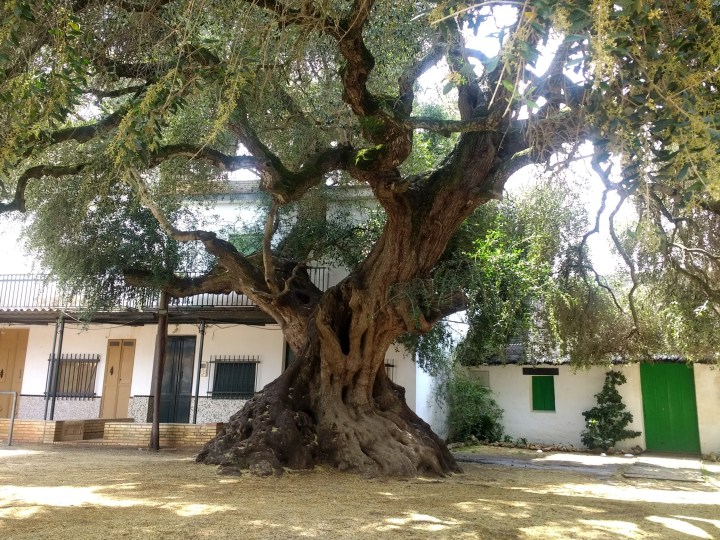

Tucked away just outside of Doñana Natural Park in Huelva, Spain, a small grove of wild olive trees has survived for centuries, even as the landscape around it underwent radical transformation. The Acebuches de El Rocio are a group of 15 ancient wild olive trees located in Plaza Acebuchal in the village of El Rocio. Wild olive trees (acebuches in Spanish) are native to the Iberian Peninsula, and despite their humble reputation, they are much more than just uncultivated olives.
View original post 1,317 more words
FALSE STATEMENTS ARE A FEDERAL CRIME PUNISHABLE BY PRISON TIME BLM – RELEASES FALSE POPULATION STATISTICS FOR WILD HORSES AND BURROS

“BLM states biologically and mathematically impossible annual wild horse population rates…”
The Bureau of Land Management (BLM) recently posted their annual Wild Horse and Burro Herd Statistics and as usual, it is full of false statements. WHY is this so important? Because these are the figures that BLM gives to Congress when requesting funding for wild horse and burro capture and management plans.
BLM states biologically and mathematically impossible annual wild horse population rates and here are just a very few, of many false statement examples that BLM has published:
High Rock Herd Management Area (HMA) a 107% increase in ONE year (a herd of 447 horses produced 479 successful foals in one year which would require that every single horse – including the stallions! – have more than one surviving foal in one year). The previous year, BLM states that this same HMA had an increase…
View original post 705 more words
Little owl in the rain, video
This 24 May 2018 video shows a little owl in the rain. It spreads its wings for the ‘shower’ water to clean its feathers.
Anton Hols in the Netherlands made this video.
Lawsuits to Protect Migratory Birds
Center for Biological Diversity News Release
Lawsuits Seek to Restore Federal Protections for Migratory Birds
WASHINGTON— A coalition of national environmental groups today filed litigation in the Southern District of New York challenging the Trump administration’s move to eliminate longstanding protections for waterfowl, raptors and songbirds under the Migratory Bird Treaty Act (MBTA).
Groups filing the litigation — National Audubon Society v. Department of the Interior —included the American Bird Conservancy, Center for Biological Diversity, Defenders of Wildlife, National Audubon Society, National Wildlife Federation and the Natural Resources Defense Council.
In a legal opinion issued December 2017, the Trump administration abruptly reversed decades of government policy and practice — by both Democratic and Republican administrations — on the implementation and enforcement of the MBTA.
View original post 681 more words
Wild Horse Management Plan Would ‘Guarantee Extinction,’ Mustang Advocates Say
By as published on Newsweek
 photo by Carol Walker of Wild Horse Freedom Federation
The Bureau of Land Management (BLM) recently proposed a series of options that would drastically reduce the number of mustangs on public lands. Some horse lovers think the plan would be too effective and wipe out the animals completely.
The options include offering people $1,000 each to adopt a horse, reducing restrictions on adoptions—including allowing people to buy them for horsemeat—sterilizing them and killing them. The BLM said a combination of those options should reduce the American mustang population by 69 percent over six to 12 years.
Wild horses have been a matter of intense public debate for decades. Cattle ranchers believe that the horses are an invasive species, which damage the landscape. The ranchers benefit from having the horses removed so they can put cattle, which are invasive, on the land.
“According to the law, the cattle are permitted,” Bob…
View original post 481 more words
Australian birds from different species help each other
This video says about itself:
Amazing footage of Western Australia’s Splendid Fairy-wren
15 October 2012
This amazing footage of singing and dancing Splendid Fairy-wrens was taken by Birds in Backyards ambassador Angus Stewart during a spring 2012 visit to Western Australia. Be an Aussie Bird friend by registering for free membership at http://birdsinbackyards.net.
From the University of Chicago Medical Center in the USA:
Birds from different species recognize each other and cooperate
Researchers show for the first time how birds from two different species recognize individuals and cooperate for mutual benefit
May 21, 2018
Summary: Scientists show how two different species of Australian fairy-wrens not only recognize individual birds from other species, but also form long-term partnerships that help them forage and defend their shared space as a group.
Cooperation among different species of birds is common. Some birds build their nests near those of larger, more aggressive species
View original post 907 more words
 Wild Voices