
BY AVERY ANAPOL – 06/09/18

© Getty Images
View original post 168 more words
About wildlife, wild lands, and honoring the intrinsic value and beauty of the world of nature.
View original post 168 more words
ScienceDaily reports
Scientists have discovered the real reason turtles have shells. While many thought turtle shells were for protection, new findings show that the shells were actually for digging underground to escape the harsh South African environment where these early proto turtles lived.

Call to action:
 by Carol Walker of Wild Horse Freedom Federation
We just learned that Rep. Chris Stewart (R-Utah) will introduce an amendment recommending permanent sterilization of wild equines on the range. While not the same as the mass killing program that the horse-haters previously advocated, this would lead to the slow death of Amrica’s free-roaming herds. It would also subject thousands of wild mares and burro jennets to a brutally unsafe sterilization technique, ovariectomy by colpotomy.
View original post 137 more words
This video from the USA says about itself:
Restoring Red Spruce in the Southern Appalachians
10 November 2015
Sue Cameron from the [U.S. Fish and Wildlife] Service’s Asheville Field Office recently joined staff from the Southern Highlands Reserve collecting red spruce cones on Pisgah National Forest, near Mount Mitchell, the highest peak in the Eastern United States. The cone collection is the first step in a multi-year process to restore red spruce to areas where it was found before the extensive logging and burning at the turn of the 20th century.
The Southern Appalachians are home to the highest peaks in the eastern United States and red spruce is a key part of the forests on those mountain-top areas. Unfortunately, the amount of red spruce found there today is a fraction of what stood 150 years ago. These forests were decimated by logging, which was followed by intensive fires which…
View original post 677 more words
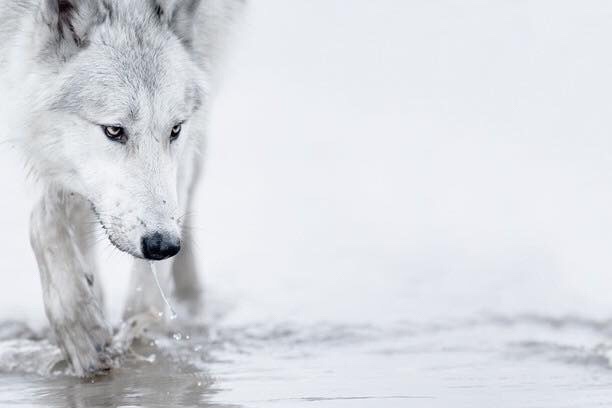

The news is coming out that USF&WS is planning a public comment period soon. In this blog are email and phone contact for USF&WS offices and personal. Please contact them and ask them for more information on when and where to comment. Wisconsin’s wild wolf needs your voices before it’s too late. Help him survive…
Read Our latest blog HERE on wolf delisting.
If USF&WS, the government, gets it right this time in delisting the Gray wolf in the Great Lakes Region Wisconsin citizens must push for greater transparency in wolf management. Because trophy hunts are about power not conservation. We owe the Gray wolf, that was exterminated from our forest and now making a comeback, an ethical & compassionate conservation management plan, because we have done enough harm to this iconic predator.
Wolves are a part of Wisconsin’s wild legacy. Trophy hunts are about power not conservation. Protect Wisconsin’s…
View original post 180 more words
The New York Times reports
Paleontologists estimate that before the global spread of humankind the average rate of species extinction was one species per million in each one- to 10-million-year interval. Human activity has driven up the average global rate of extinction to 100 to 1,000 times that baseline rate.
The most striking fact about the living environment may be how little we know about it. Even the number of living species can be only roughly calculated. A widely accepted estimate by scientists puts the number at about 10 million. In contrast, those formally described, classified and given two-part Latinized names (Homo sapiens for humans, for example) number slightly more than two million. With only about 20 percent of its species known and 80 percent undiscovered, it is fair to call Earth a little-known planet.
Read full story The 8 Million Species We Don’t Know – The New York Times

Black Necked Stilts (BNS) are found from California to as far east as Florida, and as far south as Central America and the Galapagos.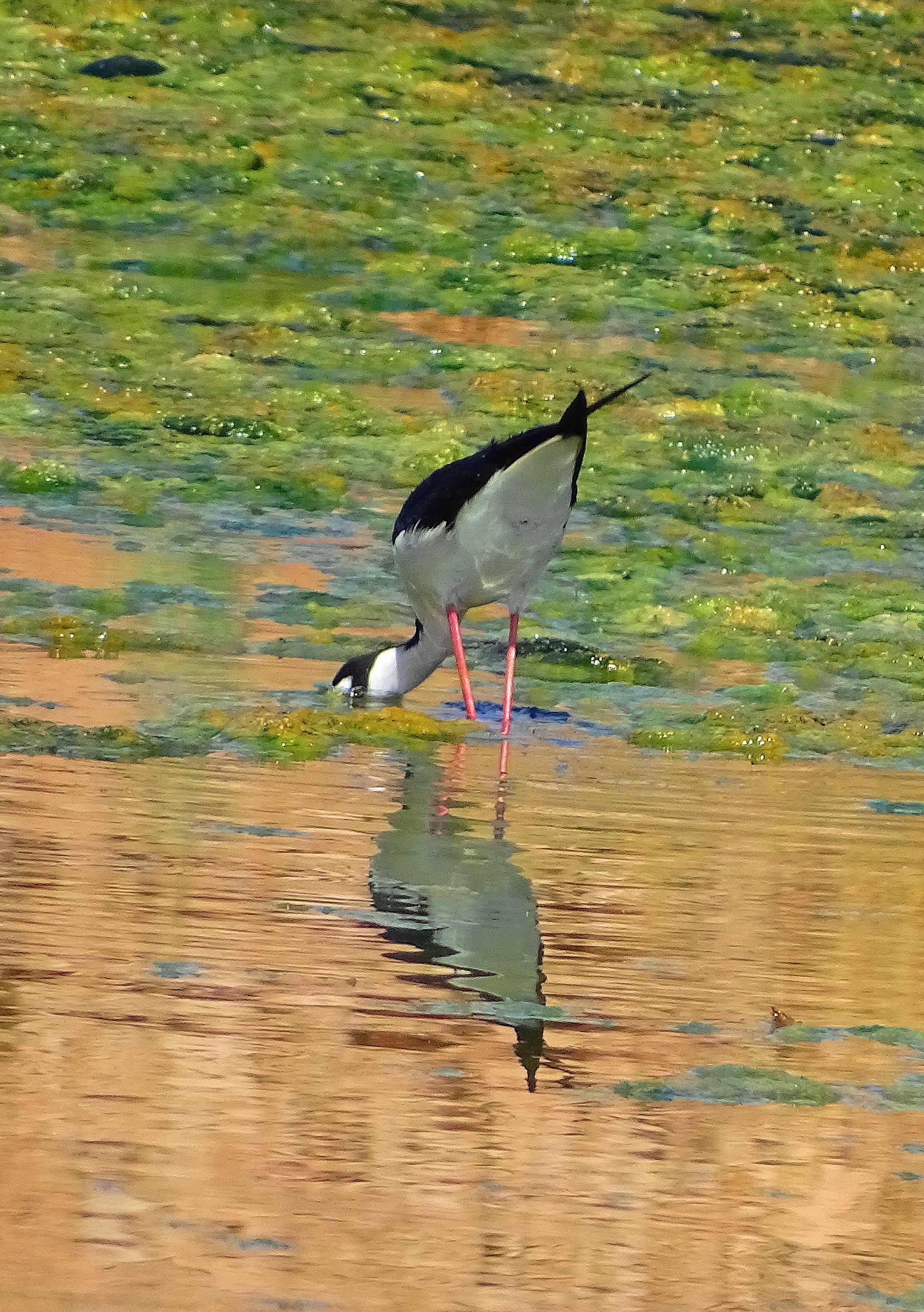
They are waders and have the second longest leg to body proportions of any bird in the world excepting flamingos.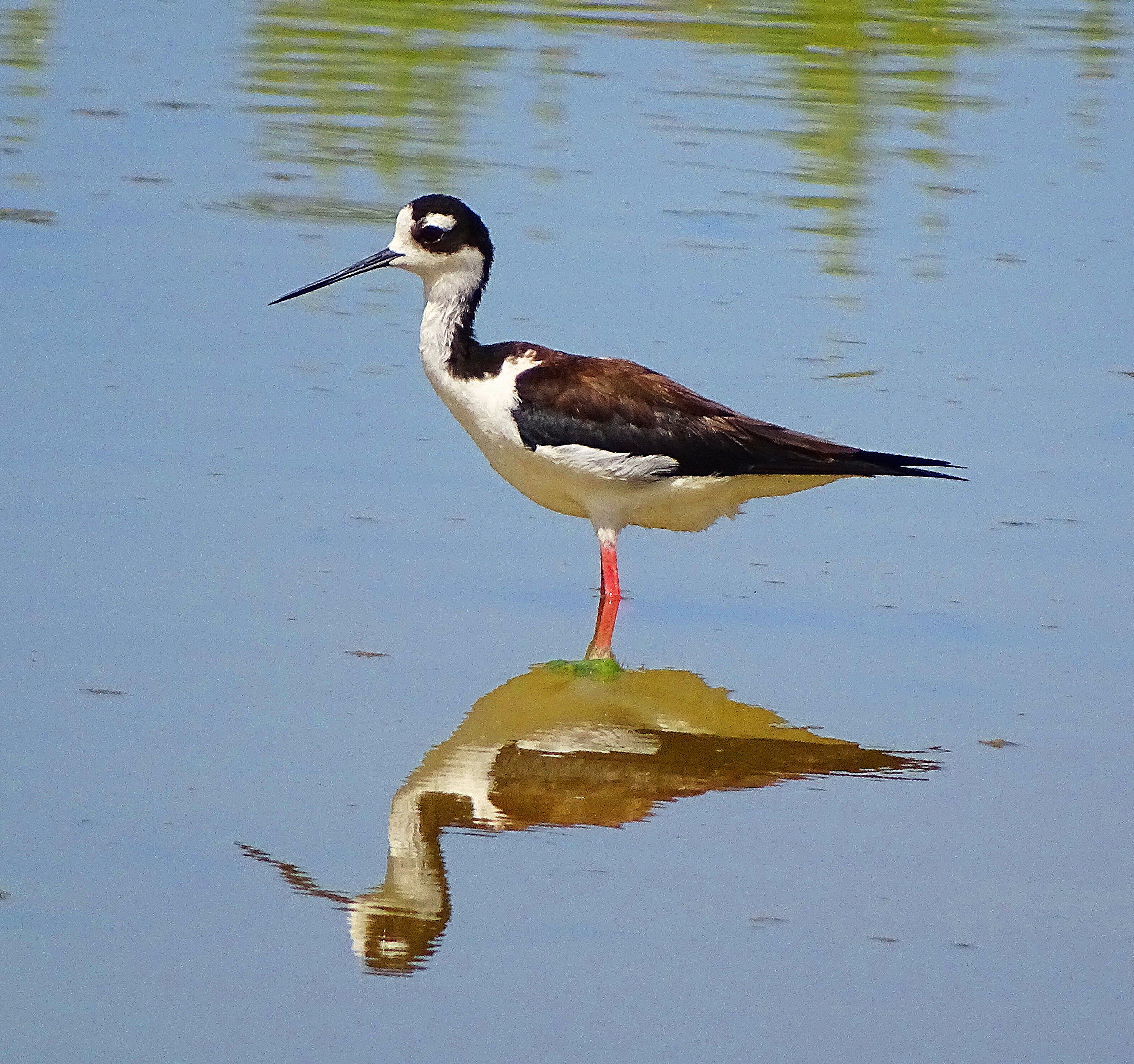
These birds were photographed in The Salton Sea in Southern California.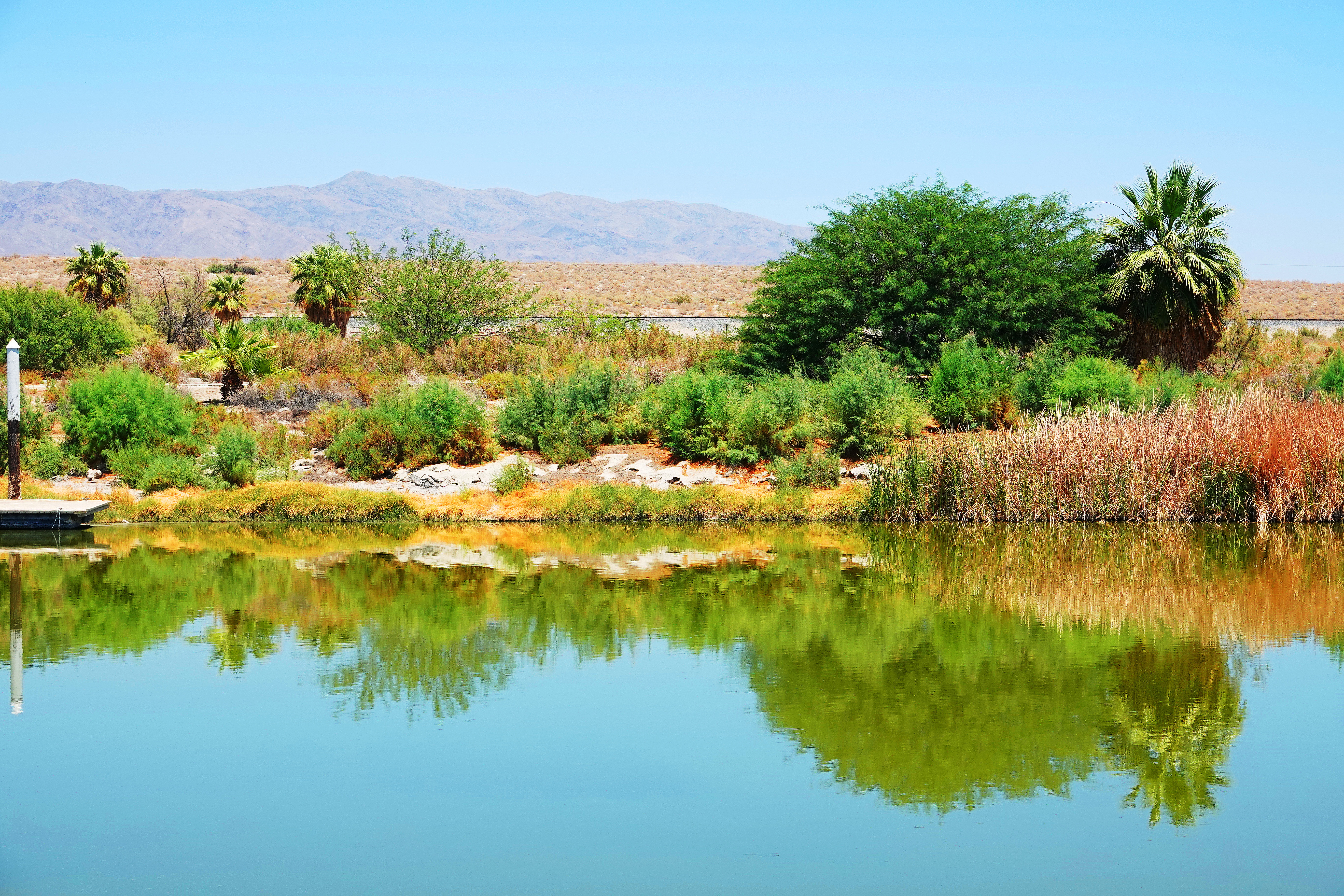
The Salton Sea is the largest lake in California. It rests directly above The San Andreas Fault, and lies 71.9 meters below sea level.
The Salton Sea is under serious threat, is shrinking, and is highly polluted.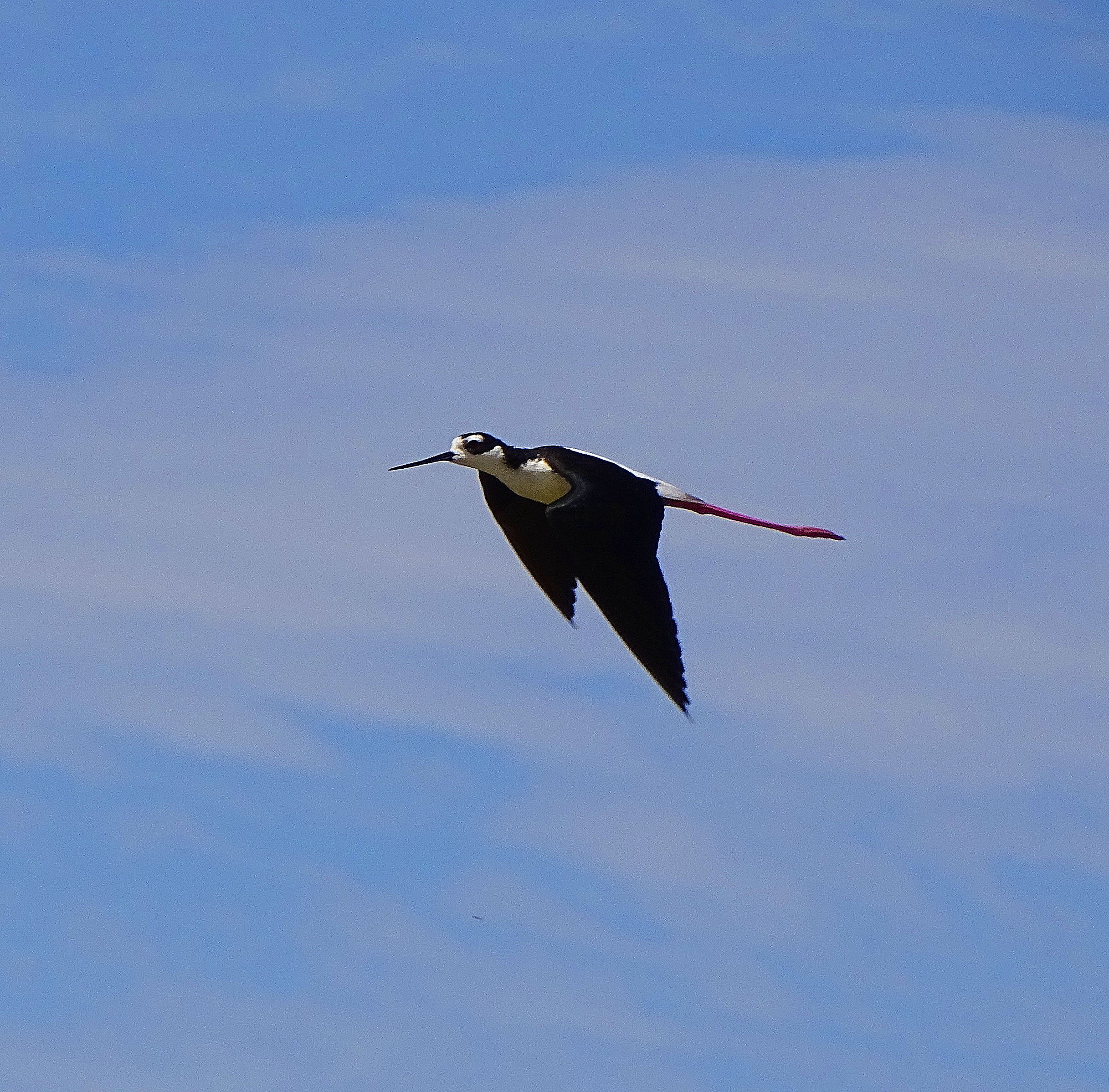
The sea is considered the second most diverse and significant habitat for migrating birds in the US. Over 400 species have been identified here, and it is a critical migratory winter resting stop on The Pacific Flyway.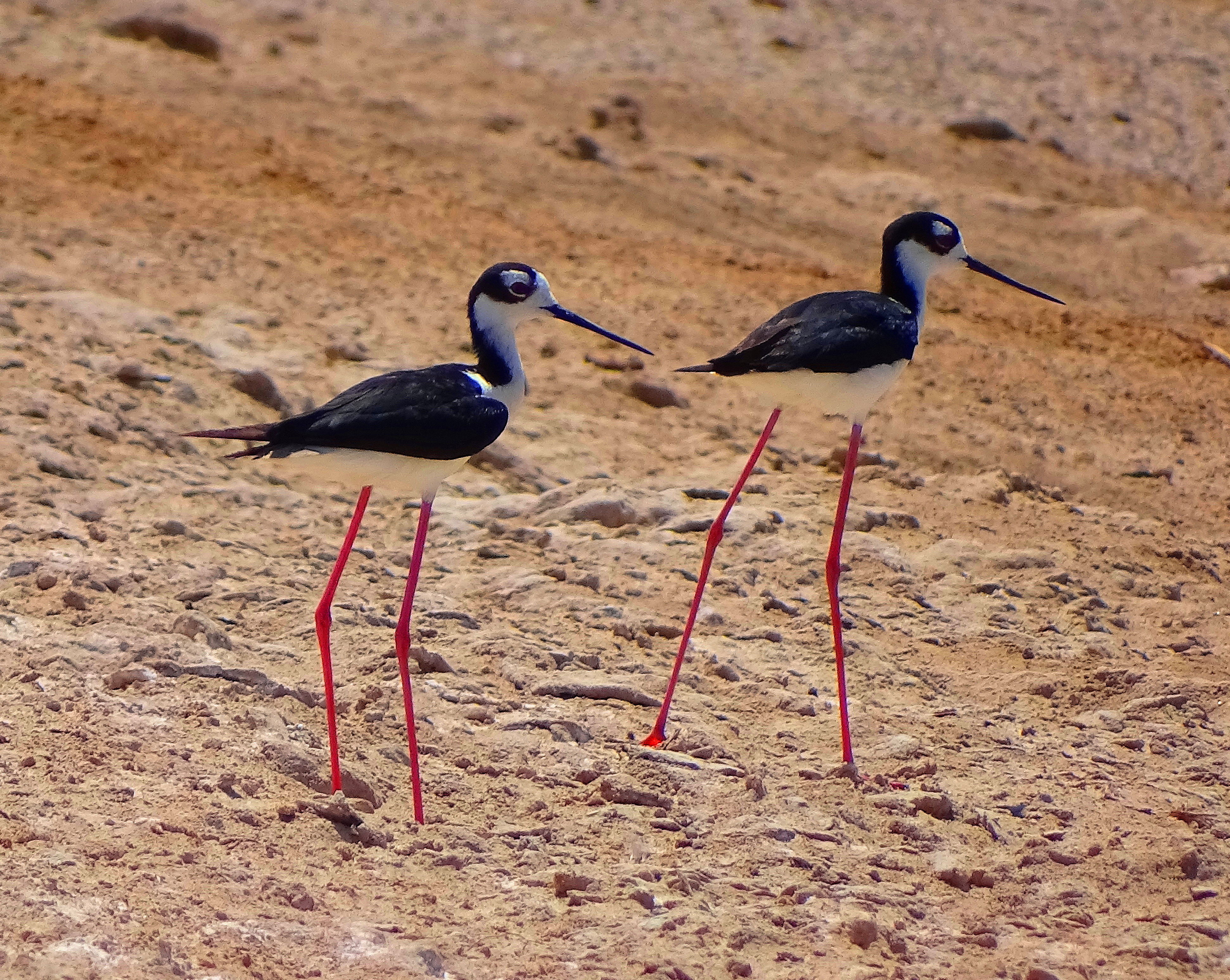
BNS populations are in decline due to habitat destruction and wetland pollution.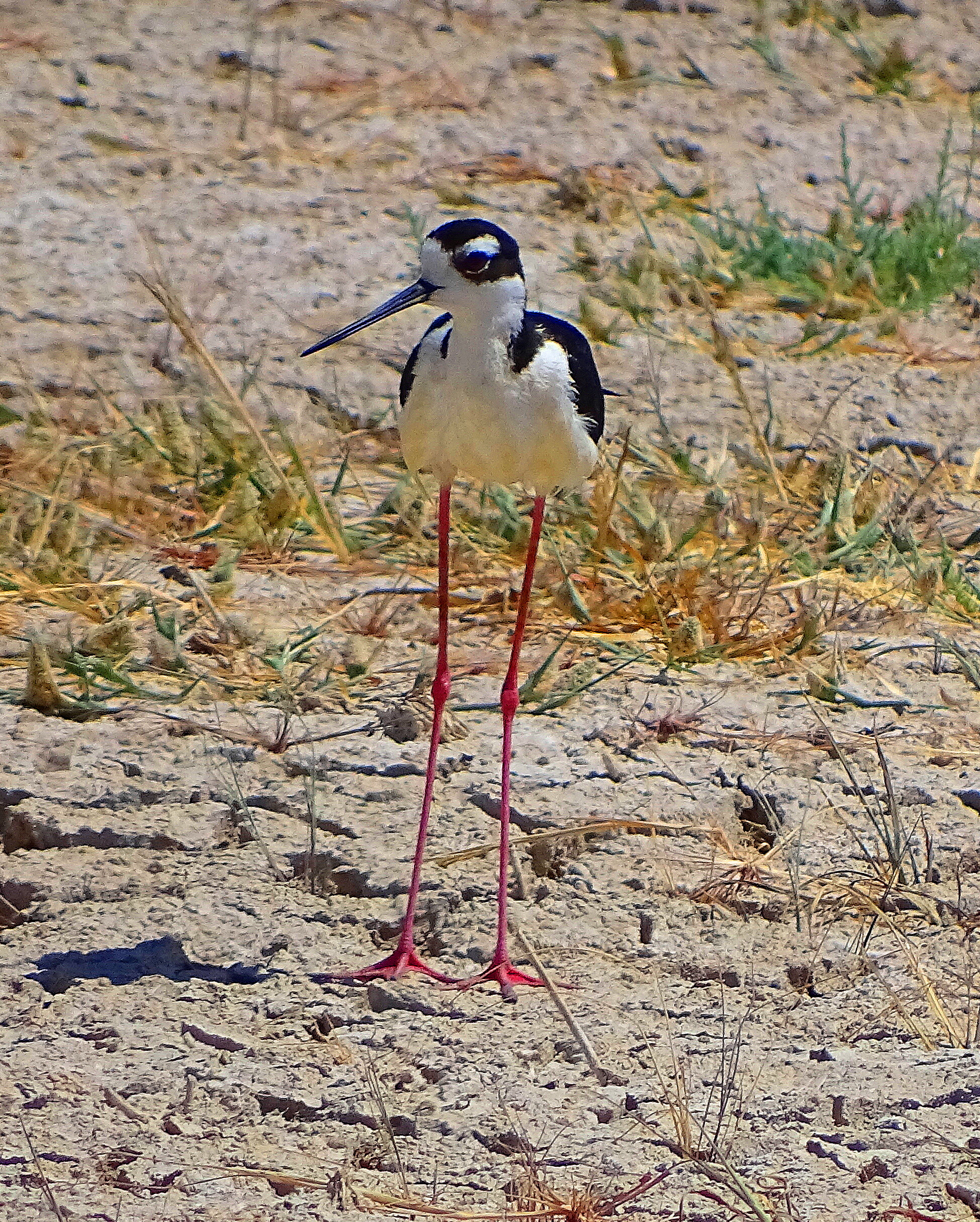
If the sea were to dry up, the millions…
View original post 83 more words
This 30 May 2018 video shows two young roe deer and their mother near Winterswijk in Gelderland province in the Netherlands.
Josien Krosenbrink made the video.
ScienceDaily explores What the first flower looked like more than 100 million years ago
A new study reconstructs the evolution of flowers over the past 140 million years and sheds new light on what the earliest flowers might have looked lik
via What the first flower looked like more than 100 million years ago — ScienceDaily


 Wild Voices